best piano learning app for adults uk Now it's YOUR turn to be the life and soul of the party!. Click Here 👈 hello again a...
 best piano learning app for adults uk
Now it's YOUR turn to be the life and soul of the party!. Click Here 👈
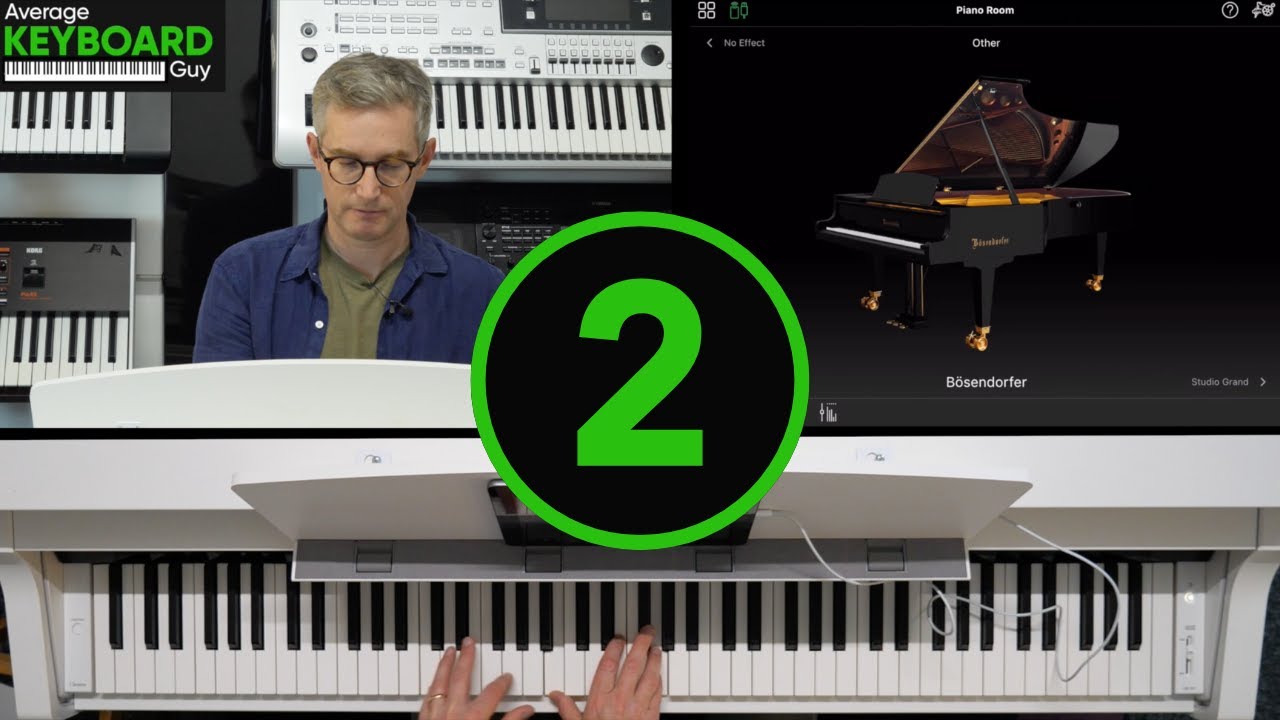
hello again and welcome to part two of our series on the superb Yamaha Smart Pionist app and uh in this episode we're going to be looking at the excellent voice selection uh part of this app as you can see on the screen here I've left it on the uh the homepage or piano room that we covered in part one but I want to go to the top left of the screen here and go to this section called the voice section where all the fun is going to happen in this video and before we get going into that let me just ask if this video is useful to you if this series is useful to you give us the thumbs up below the video really helps an independent shop like us get seen here on YouTube let's dive into it then and first of all um in the voice selection with this app I need to mention something quite important and that is the app itself is not going to add any voices to your instrument what it's going to do is act as a portal into the voices that are within your instrument so if you have one of the uh lower spec models the entry level models like a Yamaha P145 or P255 um then your selection of voices is going to be quite limited um what I've got here is a CSP275 which has quite a library of voices of which we're going to delve into as well um regardless of all of that as you can see the app itself does give you a wonderful graphical display and an interface into what's in your piano because um if it's like a CSP like this or P series as you know or a YDP Aras for that matter you don't have many buttons on the front panel by design to keep it looking uh classical um but the app through your device gives you this nice clear display to control things and we're going to go into the voices first of all and what we have here this is the main voice page you see it says voice up there right in the middle and it says main in orange and this is the bit I want you to pay attention to is where it says main in orange and go down to the bottom of the screen where there's an illustration of the whole set of 88 keys and notice there's an orange bar that goes across the top that is indicating that your main voice is working for all of those keys now that's relevant for when we go into adding the layer which you'll see in blue on the right watch what happens when I press it with my finger watch that orange bar at the bottom it shows up above the orange one that's indicating that you've got two layers now over the whole uh piano keyboard but before we get into the fun of using layers let's go into the voice selection itself and it's as easy as pressing that picture of the Yamaha Concert Grand on the front of the app right now and we go to this page which is our voice select section and down the left hand side and again this will vary depending on the model that you are using the smart pianist app with we have our categories down the left here uh piano um organ guitar and bass strings and vocal they're all on there on CSP275 there's quite a big representation and so big is this library on here in fact that it's split into subcategories we've got pianos there sorry grand pianos in category number one subcategory number one um things like the CFX concert grand ground and the Bzandorfer which is this beautiful woody autuminal warm sounding piano [Music] try not to get carried away with that lovely sound and further down there we've got different types of grand piano for different styles of music for a typical pop song this one's a little bit brighter [Music] okay so uh brighter there and then we've got things like rock piano now this is a really toothy i like to describe it as a rock piano that cuts through the mix when you're playing with a band and by mix I mean the mix of the drums and the bass and the guitars or whatever and it cuts through listen to it [Music] so uh to play in isolation is actually not that nice I don't think anyway but it has its purposes and then we've got things like uh ambient piano which I like which is it's very chilled out very calming a lot of reverb drenched over the top of it and a bit of delay as well can you hear that and it it changes the way that you play [Music] so what I'm getting at here is there's lots of variation even in that one subcategory which is grand piano if I go to the subcategories and swipe to the right we have upright pianos next and we've got about 12 different upright pianos from the concert upright and listen to the character change alto together it's a little bit more familiar to me and most likely for you too because we learn to play on upright pianos for the most part there's not many of us who sat learning to play on grand pianos let alone concert grand pianos that are 9 foot long so I really like the way that those pianos sound and there's a few variations of it the school upright is kind of a fun one because it's slightly out of tune like your old school piano [Music] there you go um so variations on here and my favorite um I I can never go past this one without mentioning it ' 70s ballad upright because it's just perfect for one of my favorite songs of all time which you'll probably guess just hearing this intro it's just perfect for John Lennon imagine uh they've captured that sound whoever designed that sound for Yamaha knew what they were doing and they've done a cracking job that can only have been done with passion capturing that iconic John Lennon imagine piano sound so if one of these voices um in various categories there being so many is your favorite to save you having to go and find it again um there's a useful little feature here where you can press this little star do you see where I've got 70s ballad upright highlighted in orange on the screen if you go to the star at the end and press that what's going to happen is it will duplicate itself into the top left of this app where it says favorites okay there it is and I can sort of cultivate my own shortened list of my favorites among the hundreds of voices that I've got in here so that's quite a useful thing um piano layers this is an interesting one i'm not going to go through every single subcategory by the way but piano layers is worth a look because it gives you the opportunity to have two voices going on one layer which in effect means you can have three layers going all together at one point uh things like um piano and where is it uh pad CFX fat pad so it's a synth pad and a piano all playing uh at once [Music] and it's quite subtly mixed as well which is going to be useful for reasons you'll see later and when you have a pad playing underneath the piano it does give it quite a nice sort of gentle lift as you're playing uh subcategories then into things like electric pianos uh all sorts of variations here uh this one always brings to mind [Music] Uh again iconic electric piano sound there and then we got the old um Yamaha DXs and the um TX's as well iconic 80s and 90s ballad type sound [Music] [Music] okay so um plenty of variation but what I want to show you here is how we navigate between these different things so we got the categories down the left hand side here uh guitars which are well worth a look as well concert guitar one of my favorites and I'm going to get more into it later on and um when you found the voice that you want to use what you do is you go back uh let me choose a different one let's choose that uh ambient piano and we're going to go and press done at the top right oh I should mention that there's a searchable thing here as well where you can just type in the name of the voice and it finds it in there um press done and it goes back to this page where we're mixing our voices together and as I mentioned before it says main in orange and along the whole stretch of the keys we've got our main voice from the bottom all the way to the top now um let's add a layer to this as well shall we and we do that funnily enough by pressing this layer button and it goes blue here and we get that blue line along the bottom so representing the fact we have two playing at the same time i'm going to play it and see what your ears tell you about this setup that I've got [Music] okay what you're thinking is correct those strings are way too loud in comparison to the piano so what do we do about that well that's where the mixer comes into play and the mixer if you look at the iPad here uh on the bottom left we've got the red button which is for recording the next one along is for saving your settings we're going to get into that there's the metronome that's there and then the last one on the list is our mixer and if you press that up comes this um where it it'll give us the balance and what I can do is find the one that says layer here and I can pull this down and let's go about a third of the way up and then I'm going to play and let's see what that mix is like [Music] okay so that's a little bit better I would say um but there's a few more tricks that we can do because I think these two voices are still sitting on top of each other in a in a way that's kind of obstructing the sound that each one is making so we can play with this again by going up to the top right of the voices here um where there's a picture of a keyboard and a couple of cogs and if we press that it opens up uh this page just here where we've got the opportunity to uh actually do things like the individual layers to give them their own reverb settings and pan them as well so what I'm going to do here is go to my main piano voice here and I'm going to I'm just going to press layer on the right because that's going to knock off our strings for now and I'm just going to hear the piano and in this one is where I can set the reverb setting uh I'll turn it quite high now and listen to the difference [Music] okay so it's really drenched in echo now but I like that actually it's working really well that orange button that says concert hall this gives me different types of reverb a little bit like the um piano room uh section did in the first video now cathedral was the the biggest most spacious environment and with the reverb turned up we're going to get a really great echoey effect [Music] i really like that and that's just the piano and it's changing the way that I uh interpret the instrument and express myself as a result this is why it's so fun to get into the nitty-gritty and play with these things the app giving me the opportunity to do this in a really uh ergonomic uh and simple user interface now let's go to the uh layer here because what I want to do with these strings I found that they're a little bit too in my face they're all sort of along the whole stretch of the piano coming through both speakers and I didn't like it but if I use the pan just here and take it to the all the way to the right you may not hear this at home but I'll certainly hear it here because we've got stereo speaker set up that when I play the strings are going to be sounding to me like they're coming from this side and that makes it a little bit more of a spatial experience [Music] [Laughter] [Music] [Laughter] [Music] okay so just a couple of changes there that have really enhanced the way that I'm playing with just a simple piano and a string setting one other little thing I want to do here is um and this is a a good tip for you at home is the strings there that's the main constant string sound but there's a variation of it and I'm going to change it by pressing the graphics of the strings here which directs us to the same category settings but this time we are choosing for the layer and I want to look for the one that's called slow strings and no matter which one you're using which instrument you're using you've probably got a variation of the main strings which have the word slow in them and what this does is it there's a a couple of seconds of delay before um the string sound really comes through and if you're using it as an accompaniment for playing piano it complements it way better than instant strings uh listen [Music] okay so there's a couple of nice tips for putting together a nice combination there um I want to show you what the left hand does as well and I'll do that briefly by just switching it on if I press over here where it says pink uh says left in pink uh or possibly purple or magenta uh I don't know let me know what you think that color is there i'm going to stick with pink and look what that's done to our illustration at the bottom um the left hand section from a certain key is giving us the left voice so if I play down here beyond that F sharp and for CSP users you'll have a light over that key I'm going to get a string sound and I can play piano over the top [Music] okay so using the left section is a nice way to do that uh something else that's kind of fun to use with the left hand voice as well is if you go in and go to guitar and bass go to the subcategory that has bases in there and you can have this bass guitar um I'll see what happens actually let me just change up my my main sound here and go to something like a one of those nice electric pianos like that one and listen to this [Music] okay so giving you a little bit of a a sort of simple jazz arrangement actually there is kind of a nice I think it's called bass and symbol which gives you just a modicum of percussion as well [Music] which is kind of fun to play with okay so let us suppose that we've chosen a nice uh setting on here and I had what was it was it Bowzen for Anna had my strings how do we save that because I could spend ages and I hope you will spend ages too playing around with all of these having fun making your own mix and your own setup but of course if you turn the piano off and back on you're going to lose it unless that is you use the registration settings which are the symbol the bottom left of the app it's the next one along from the red recording button if we press that and then press at the top save current setting that is where I can go in and I can give it a name and I might call it uh let's say Chris's nice piano okay and press save and it will save it just there called Chris's nice piano so next time I turn on the piano I can just recall it press it on the screen from the registration memory and it'll load it up exactly as I had it set before all right so moving on um from our setup here uh what I want to do is show you some of the some of the other creative ways that I've used the available voices and all of those tools for panning reverb echo and a couple of other ones as well to uh make some interesting combinations and I've got them loaded up here and the first one in here I think is um it might be a bit of a surprise even for me in fact but the nice thing is once I've loaded it up it will all become clear and here it is it's a a grand piano the Yamaha CFX piano and the layer is this hot swell synth pad um let me play it and you should be able to hear what a nice combination that is and I think if I go up to the mixer yeah I panned it to the right again changed the um the volume somewhat and it sounds like this [Music] heat heat [Music] okay and what I like about that the hot swell in there and the Yamaha piano is the swell is very much a swell in that when I'm holding notes down it's building up if I'm playing quick notes it doesn't really come into play it does if I hold it down and I've used the pan again to just get it over to the right hand side somewhat so you have to try that at home if you if you can't hear it fully on your computer speakers okay next one I've got as I load it up is number two and uh this one I believe is some guitar strings uh the concert guitar mixed with um Seattle slow strings as well uh ah yes okay so it sounds like this [Music] oh and what I really like about the guitars if you're using a higher spec model of digital piano or keyboard is all the little nuances and slides and fret buzzes that you get [Music] it's really good and of course it makes you feel like you've got a real concert guitarist playing here alongside you um number three was something I wanted to demonstrate to do with the string accompaniment because as well as panning it and adding reverb there's another thing we can do to just have it better accompany the piano and that's playing around with the octave if you play the piano quite a lot low down often the sound gets a bit muddy like this okay so if you play in a very cordy way sometimes strings can be a little bit too muddy and overpowering but if we go in to the settings again and go to the octave on the top left we can set the strings to a higher octave so instead of being too overpowering with the lower register like this [Applause] what we can do is go to layer and then in blue here put it to one and now I'm going to play exactly the same thing but what we're going to hear is the strings are now a whole octave higher and it suits the type of piano playing much better um we could in fact even go one higher than that move it to two and let's hear how that goes in the mix actually I think that probably works even better doesn't it so you go into the octaves and you can change the octave settings of the layers too okay and the next one along was the um Oh I think I've written Hovvis here and um that might twig memory for some of you watching this video you might know what's coming and what I've done here is uh I've got a a orchestral trombones and I'm using the left hand split here to give us strings on the left and this is just a nice way let me just look at the octave setup so I've got my main voice playing an octave lower and the layer not the layer sorry the left hand side are playing an octave higher so it's bringing the two together but allowing me to do melody with the trombones and an accompaniment if you will with the strings and here's what it sounds like [Music] okay and in this preset I've got choirs ready and waiting so I'll switch them on there and this is what happens [Music] so it works really nicely for uh for Largo there and that's how you can combine uh your left hand and your right hand layers together to totally enhance your piano from just being a piano to something quite different but again using smart pianist app here is facilitating this experimentation because I don't have the physical buttons on the front panel of my keyboard or my piano uh the next one in here um you might be able to guess what this one is just looking at my preset name on there and this is how it works nicely for movie soundtracks uh again I've gone strings on the left and I think I've moved the octave up and I've got those orchestral trombones again let's see what this is good for [Music] add my layer that's ready and waiting [Music] [Applause] [Music] [Applause] [Music] now what another thing I really like about this and this just is testament to the quality of these instruments there's lots of dynamic range so if I really feel like John Williams now and I want to fire that orchestra up I'm going to start whacking the keys and listen to the difference that all these instruments um sound like they really come to life if you play with some attack [Music] [Music] it's really fun to do because the there is if you play with feeling and emotion and you want to express yourself it gives you the scope to do that in there okay okay just a final tip before we uh wrap up for this episode is um if you want to reset to just piano if you've been playing with around with it for ages like I have and you think I just want piano now go to the top left here and you can go to this symbol on the left bottom left of this little square where there's a piano says CFX grand and like a curly arrow saying reset indicating reset press that that'll put your piano back to normal but just note that your uh global settings on the top right will often be um set how you had them last so if the volume was lower you got to reset it and you can do that by doubletapping the screen each parameter and that will actually put it back on its uh default setting okay so that's all for episode two hoping this has been useful for you folks exploring the Yamaha Smart Pianist app if it has been do me a favor and press the thumbs up below the video because that really helps an independent store like us get seen here on YouTube u episode three coming up soon and this is going to be looking at the accompaniment styles we've really still only scratched the surface of this fantastic app and episode three is going to be looking at the accompaniment styles and the the actual incredibly natural way you can have bands and orchestras join in with your playing and it sounds terrific and I can't wait to get into it um sign up to our newsletter uh if you like the links in the description that will give you notifications of when we're doing new episodes like this and other things as well but thanks for watching thanks for your support and we'll see you in the next ...


No hay comentarios