teaching piano lessons Now it's YOUR turn to be the life and soul of the party!. Click Here 👈 hey friends welcome back to ...
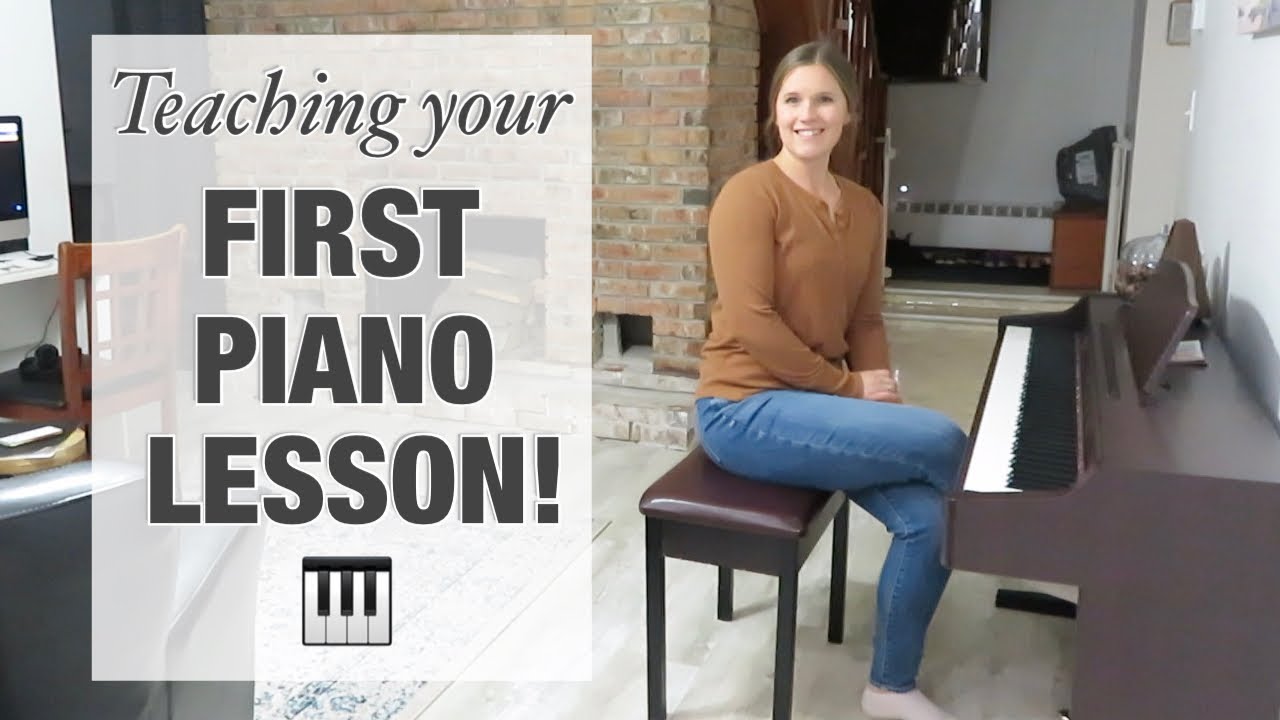 teaching piano lessons
Now it's YOUR turn to be the life and soul of the party!. Click Here 👈
hey friends welcome back to my channel for today's video it's gonna be a little bit different than most of my content but I have I have gotten so many questions I feel like that's like an oversaid thing like I've gotten so many questions on this but I'm not making it up I've gotten a lot of questions and requests saying can you please share with us how you teach piano I should have done a little bit more of a introduction so if you're new here my name is Julie I'm a homeschooling mom of a five before I had kids I was a piano teacher I had a lot of private students my days were full with private lessons when I was 18 I got my teacher's degree from the Royal Conservatory of Music was I 18 yes I was 18 when I got it so I have my teacher's degree and as I started having kids I gradually dropped students and drop students and drop students and then um before my fourth was born I stopped teaching all together because I needed I just didn't have time I didn't have time to do it once my older kids got old enough to start piano lessons I have been teaching them so like I said I have gotten questions about how I teach piano and I have been like hemming and hawing over this for for months and months because I'm like how do I go about like teaching piano it's this whole huge thing like how do I simply put in one video how do I teach piano and so I thought um I am just going to go through and share with you guys how a first piano lesson goes how I teach a child their first piano lesson so my fourth child Zara she is just about seven she's about to turn seven and we just started piano lessons so this is all fresh on my mind when people ask me what age their child should start piano lessons I always recommend the age of seven and so that's what I've done with my kids I have taught kids at five and some people really want their kids to start at five and that's fine I will teach them but I always tell parents that if they start at five or if they start at seven by ten they are they're going to be about the same level they just go a lot slower when they start at five when they're seven if they have started reading and you know just started some basic math they are they are ready and prepared to move faster of course you can start piano lessons later anyways back to the the topic how I teach that first piano lesson first off I should show you what books we we use what books I've always used um teaching and it is these books the piano Adventures books by Randall and Nancy Faber so this is the lesson book it's been well used and then I always use the theory books as well this one is a consumable book so each of my kids needed a new one so it looks a lot fresher and nicer than the lesson book but those are the books that we always start with I might look down at my notes a bit because I have written some thorough notes just to make sure I don't forget anything as I talk about as I talk about what I include in that lesson so I'll say come sit at the piano and then we right away talk about posture at the piano so you want the student to be sitting nice and tall their bum should be on the front half of the bench they put their hands into fists and put their Knuckles out and their arms should reach right to the fall board on the piano if they are are reaching and they have to like reach way forward to reach it then they're sitting too far away but if their arms are all bent and they're kind of tight in there crammed in there then they know the piano bench needs to move back so I teach them that that is the proper posture at the piano and they should be checking their posture each day as they practice so I tell them to sit nice and Tall shoulders relaxed I also get each of my kids and each of my students when I had them to also bring me a spiral notebook so each week I would write down what songs we're working on little notes what they should be practicing at home for them to remember and also their parents can you know look at the book and make sure their child is is doing what was asked of them at the lesson then we talk a little bit about hand position and so we talk about how the fingers need to be curved at the piano I get them to hold their hand out like this and I say look at look at your fingers look at how they're all different lengths and then I say okay relax your hand and curve your fingers now look at the side all of of your fingers are the same length that is how you want to hold your hand when you're at the piano I will also sometimes get them to sit and put their hands on their knees just hands right over their knees and then just slowly raise their hands and that will be a good hand position for playing the piano another thing you can tell your student to make sure they have a good hand position is to hold their hand in a c and that's that's a good a good hand position after we've talked about all that intro stuff the kids are eager to get their hands up on the piano and so we start I start telling the students about keyboard Street I don't know where this originated from this is what my piano teacher growing up um this is how she taught me to teach and so I don't know where she got it from if it originated with her or if more people know about this I don't know but I've used it with every single student I've ever had who is just beginning and it works amazing and so I I tell the students look at the keys there are white keys there are Black Keys this is keyboard street so on keyboard Street there are some dog houses and so I will show them all the groups of the black note of the two black notes and say these are all dog houses I will play a couple and then I'll tell the student I want you to find all the dog houses on the piano and they're very eager to get up there and touch and play all those dog houses and then there are also houses on keyboard Street here is a house and I will play a group of three black notes and tell the student now I want you to apply all those houses as well and so they go through and play all the houses and then I might mention down at the bottom there's the one black note by itself that's the general store at the end of the street and so and then I might go back and say again okay play for me a dog house again play for me a house again and just review that then we go through and learn all the white keys so I'm going to tell you the whole keyboard Street story right now um but a lot of this often times this will be taught over two or maybe even three lessons depending how quickly the child picks in it up but after we talk about dog houses and houses I will say on this street there is a dog there's a dog living inside the doghouse and so I play the D the letter names for the notes comes later I don't even tell them that there are other letter names they're just learning them as words at this point and so I'll say there's the dog right in the middle of the doghouse can you play a dog and then I'll say can you find another dog can you find some more dogs and they find all the dogs or the D on a keyboard Street beside the doghouse there is a cat I'll play the C here is the cat it lives right beside the doghouse can you find some cats and then on the other side of the doghouse this is kind of funny but there's an elephant there's an elephant in the yard beside the doghouse on the other side from the cat here's the elephant can you find some more elephants on keyboard Street once I have taught C D and E I will go through and just review those again and say where's a cat where's an elephant can you find a dog and at that point I know if we need to stop there often that's enough for a student to learn just those three um but if not we'll keep we'll keep going on the next note I will teach is the boy so there's a boy living up on the top floor of the house and his job every day is to take care of the cat so see the cat is right here the boy is on the top floor of the house and he takes care of that cat so here's a boy here's a boy down low on the piano and here's a boy up high on the piano can you find some of those boys so the boy's job is to take care of the cat who's gonna take care of the elephant well it's kind of have a funny story but the boy found this elephant one day and he went into his house and said father father can we can we keep this elephant and the father was kind of busy on the phone not really paying attention to his son and he's like oh sure sure yeah that's fine that's fine you go go play and so the boy thought oh father said I could keep this elephant so he brought the elephant into the backyard and fed the elephant and before long the elephant was so big by the time the father looked outside and saw the elephant he couldn't fit out the gate anymore to get out of the backyard so he was stuck in the backyard so what were they gonna do well the father it was his job to take care of that elephant and feed the elephant so the father feeds the elephant every day he lives right here on the bottom floor of the house and his job is to take care of that elephant and so then I'd stop right there and review those you know see again how they're doing how quickly are they playing the right notes when I requested of them and are they getting mixed up between the notes and then if they're ready we go on and I say there are two more two more people living on this keyboard Street and so the father lives in the bottom floor up on the next floor is the grandmother the grandmother lives on the second floor of the house she does all of the cooking and makes you know bake some cookies for the boy when he comes home from school and this is the grandmother can you find all the grandmothers on the piano and the last person on this street is the ant the ant lives right on the floor with the boys she tells the boy when it's time to have his bath she gets him to bed at night and ready for school in the morning and that is the ant that lives right beside the boy so can you go and find all of the ants and so that is the story of keyboard Street it has worked amazing for all of my students they really pick up on it quickly and so like I said I will often stop after cat dog elephant you know and then the next week maybe I'll only teach F and B and then the next week G and a depending how quickly this student's picking it up you want to make sure that you are really aware of if it's too much for them and when it's when it's enough for that week and then they'll practice that all that week the next week I teach you know a couple more people on keyboard Street and we don't even say like I don't even say oh that's actually a c but we're gonna call it a cat it is just a cat a dog elephant father grandmother aunt and boy that is what they're called and then probably like three or four weeks later whenever they've learned all of the notes then I say guess what the cat is actually I see we're gonna call it C now and they usually can can adjust to that very quickly and it's interesting how sometimes even like a couple months into the into piano they're like oh yeah the dog oh I mean d and they kind of laugh at themselves but they're still I think thinking in the back of their minds they know the names of of each of those keys okay as I am teaching them keyboard Street I might also throw in there like see these notes that are way down low on the piano those notes the lower down they go on the piano towards the bottom those are low notes and the notes that go up here these are the high notes let's practice singing some low notes let's practice singing sometimes know then we'll talk about low notes and high notes and as we're talking about the notes I might say can you find a cat really down low on the piano can you find a grandma up hi I find on the piano and then we talk about right hand and left hand that's a very important thing for them to grasp early on in piano where's your right hand where's your left hand and then we work on finger numbers so the thumb is finger one we have finger two three four five an important basis as you're learning piano you need to know those finger numbers and so to review those I will close the piano lid on my keyboard it doesn't have a lid um but if we had a real piano I'd close the lid and I'd get the child to put their hands up on the piano in that nice curved position and we just practice top finger One Tap finger two tap finger three finger four five and then I would say okay now this is going to take some concentration I want you to with your right hand tap finger three and so they will tap just that finger now with your left hand top finger one and it's a lot even for them just to hold their hands and just tap a three or a four or a five you know their fingers are just kind of figuring out how to wear work on their own not as a team haul their fingers together after that we get into the first couple songs so in this book the favorite Faber book we usually go through I'll show you these first couple Pages first too so as we're talking about sitting at the piano we do have this as a as a little guide it also has this where you can see the finger numbers the left hand the right hand and then we play this the pecking rooster and the pecking hen and so I get the child to make a little pecking hen okay finger one and three that finger one is bracing finger three and then they'll start in the middle of the piano and play every note going up up all the way to the top and as they're playing you know they're just playing one note at a time I'm talking about do you hear the sound do you hear that sounds getting higher and higher as you go and then they play the pecking rooster that's where the left hand and the left hand plays the low notes we also talk about how right hand plays the high notes and left hand plays the low notes and then usually the only two songs I assigned so I would write that in their notebook pecking hand pecking roaster practice that and then the two songs we would learn are these two so the two black ants and this book does not talk about dog houses and houses and all those other names for keyboard street but I would say okay this is going to be played on the doghouse and so you want to put your finger two and three on the dog house and you're gonna play two black ants and we don't talk yet about counting or being steady but I try to get them to play one note the next note sink in up two three together up and as they're going down they do kind of catch on to that steady beat and then the two black birds is the same thing it's just on the group of two black notes gonna drop my books the group of two black notes um with the right hand and that's usually what is included in a first piano lesson I hope that's what you guys were looking for talking about how I teach piano that's just how I teach um how I teach a student's very first piano lesson and then we go on from there and we just work our way through this book and then they move on to the next level and um I hope that was was helpful in some way and if you have any other questions for me put those down below and I will get to those I will see you guys in my next video and happy piano playing Happy teaching I'll see you next time [Music] ...


No hay comentarios